
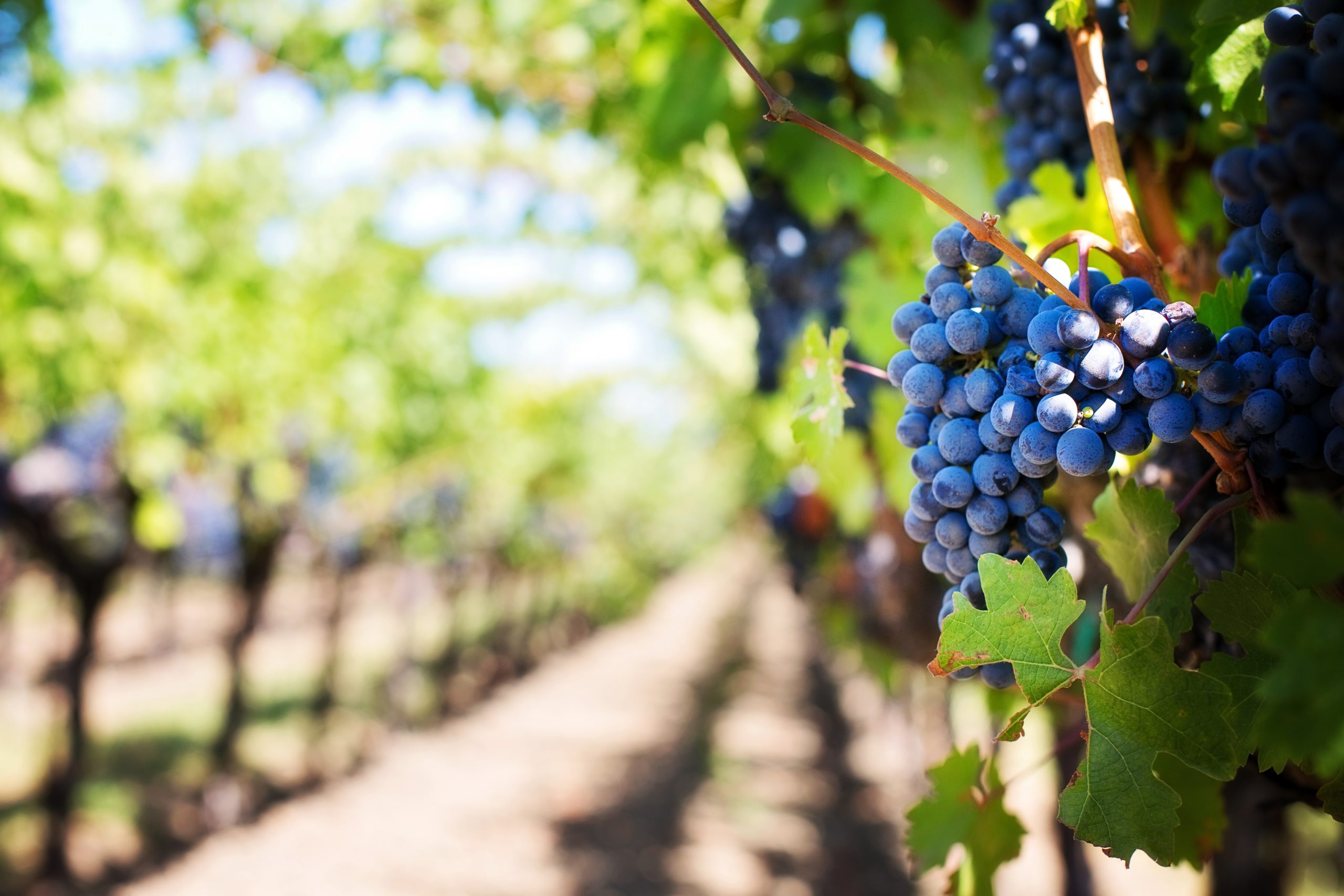

Today, I have the honour of being talking with Annette Rosencreutz about her perspective on sustainability in the wine industry.
Operating in the sustainable wine business, she will share her insider tips for aware wine lovers. Enjoy the article and add your thoughts to this beautiful conversation.
Please tell me a little bit about yourself, and your businesses with Rosencreutz Wine and Mary Taylor.
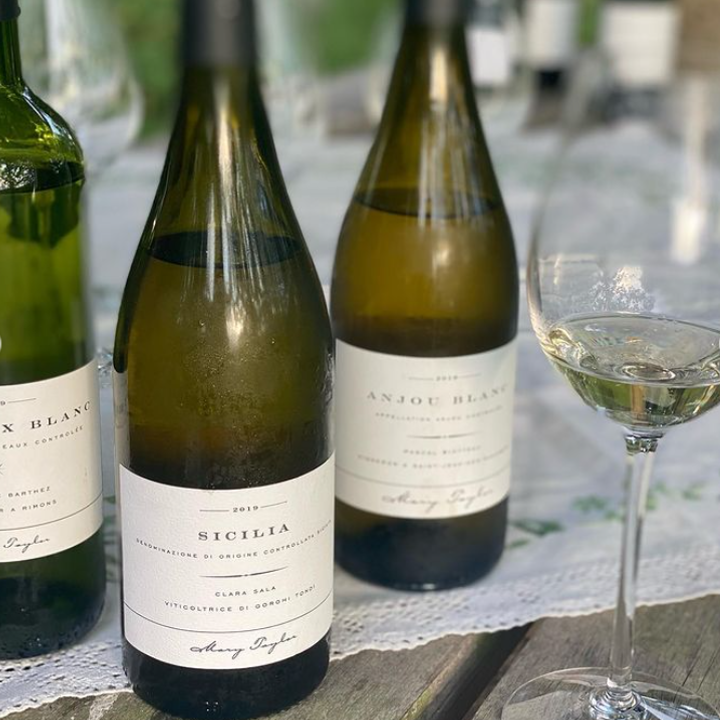
I am a brand strategist and communications person from the start. I’ve helped many businesses grow; with the purpose and meaning as a driving force. I met Mary Taylor through an American entrepreneur friend, as I was interested in changing my path. I have been involved in parts of the wine business for a long time, and when I met Mary, it just clicked. It felt like she had done everything right. Moreover, she stands for everything that I find important. She is a great person who stands with both feet on the ground and she has such positive energy and holistic thinking. On a lighter note, we’re able to have a good laugh as well.  She built a brand with purpose and sustainability. She managed to combine business and lifestyle. The whole idea is to work with meticulously selected, territory-driven wines from European appellations. Mainly France, but also Italy, Spain, and Portugal, where the wine clearly reflects the conditions of the soil and the grapes in that particular region. The wine is made via sustainable farming, by independent winemakers who are passionate about cultivating their land and winemaking in a holistic way. All winemakers work according to organic and sustainable principles, adding as little as possible to make a good tasting, quality wine.
What role does sustainability play in your businesses?
Sustainability is the foundation of our business; and all of our wines are made based on those principles. Some winemakers also take a step further and go biodynamic. However, there are different paths to take when it comes to wine making: sustainable, organic, natural or conventional. All are with pros and con and some winemakers prefer to take bits and pieces from all, and find their own way. In short: organic procedures focus on the farming and wine making itself where no synthetic products are allowed, thus they use copper, which some winemakers are not keen on. Sustainable focuses on the whole process from farming to consumer, including biodiversity and the CO2 footprint. Natural wines have varying certifications which can be a bit confusing, one being Demeter, but all aim to have as low intervention as possible, for example there is no added yeast or sulfites to stabilize the wine. Conventional wine making can use all those synthetic products that available and on the market. 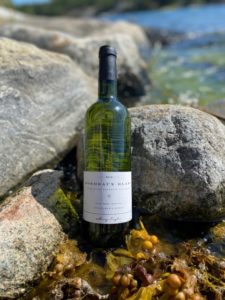 I do not believe that the “eco certification” is the only way to go. Many French winemakers have chosen the French HVE (HVE (Haute Valeur Environnementale – 1-3, where 3 is the highest score) certification. HVE emphasizes that the whole operation should be sustainable and highlights biodiversity, which organic/eco doesn’t do. This includes not only the farming, but also, for example light weight bottles, transport etc. Moreover, our wines come from smaller wine making families, who dedicate their lives to the art of making good wine while respecting the earth. My advice here would therefore be to look our for the story of the farmer on the label of the bottle, and not only buy bottles according certification.
Being a part of Medinge Group, please share with us your ideas on how sustainability, consciousness, business, and brands are related.
Sustainability should be a part of the DNA of a business. For many, it is already because of their client’s demand. Conscious consumers nowadays have the choice, and will buy their products from these producers, it’s as simple as that. Previously, you could differentiate your business by being sustainable and conscious. Now, it must be a part of the DNA. In addition to sustainability, you need to build a more sophisticated differentiation, and build relations with your clients. Eco-certificates can help with this process and are trustworthy, in my opinion. Nonetheless, some find them expensive and rather complicated, and many family-owned businesses cannot afford it, even though they use eco-farming in a natural way. This is why I believe in the importance of getting to know the story of the farmer or winemaker.
What inspired you and Mary Taylor to work with an emphasis in sustainability?
I always liked working with independent artisans who make ethical, quality goods – no matter what the goods may be. The large, corporate brands tend to defer to monoculture, high sulphur, chemical treatments – I’ve always steered clear of them. Why? For the love of the earth, my health, for real flavor! Mary Taylor
In simple terms, please explain us a few key differences between traditional and sustainable wine.
Traditional and sustainable should be hand in hand. The wines produced by family owned or small/midsize businesses usually follow the rules of Eco-farming. They try to reduce all unnatural aspects. Industrial wines, on the other hand, are produced by many large, corporate brands. They tend to make high use of sulfites and chemical treatments like pesticides, to protect their grapes and getting a higher yield. They often produce in bulk, and simply mix different grapes from different parts of the world and regions , and “sweeten” the taste selling at a lower price. Unfortunately, these methods impact the environment, the taste, and the quality of the wine.
How does sustainable farming impact the quality of the grapes, hence the wine?
It affects the wine regarding its taste and nuances. The complete abolishment of sulfites is problematic because it also means that there is no way to stabilize the wine, it can turn into vinegar when you have bought it. A minimal use can ensure that the quality of the wine stays in a certain standardized range and reaches its maximum potential. This is also notable the next morning, as we won’t wake up with a headache.
What advice would you give to those following in your footsteps? Is there anything else you would like to share with us?
Dedication is my keyword here. I truly believe that if you want to make a difference as a consumer, you should look for the individual behind the wine you are drinking. Seeing that there are dedicated individuals and families who embrace the earth and a long-term thinking, is a real joy. When you look for honest people who want to contribute with their best, you will most certainly feel their voice when reading their story on the back of the bottle and drinking the wine. Making the wine even more enjoyable!
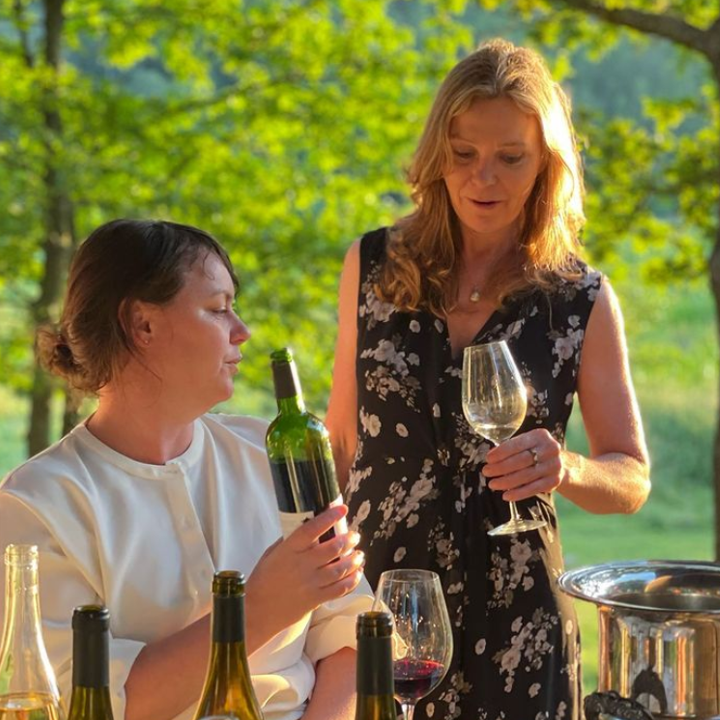

Interviewer: Caroline Carl



Wonderful article, thank you! Very insightful interview
Thanks Maria! We have also loved the charming conversation we had with Annette
I love it, and I love looking for the stories behind products
Thanks Amelie! Our idea at Komoneed is to give this kind of information which is useful for all of us!